
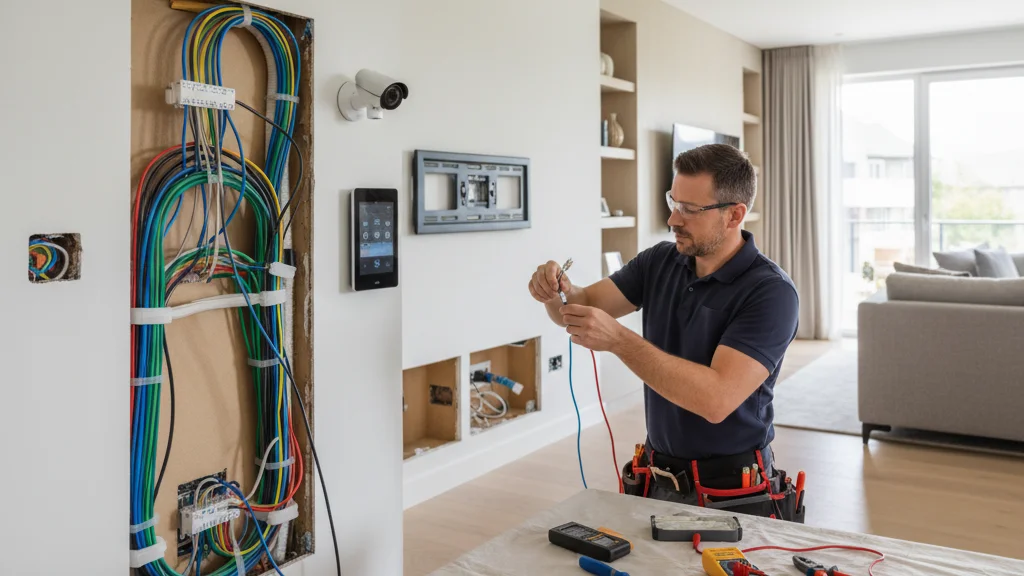
If you are planning a new build or upgrading an existing property, understanding low voltage integrated solutions in Phoenix is the first step toward creating a connected, secure, and efficient space. Low voltage systems cover everything from smart home automation and structured network cabling to security cameras, access control, and whole-home audio. When these systems are designed and installed as a unified platform rather than isolated products, the result is a home or business that is genuinely smarter: easier to manage, more reliable, and built to grow with your needs.
This guide covers what low voltage integration means, the core systems involved, how they work together, and what to look for when selecting an integrator in the Phoenix area.
What Low Voltage Integration Actually Means
The term "low voltage" refers to electrical systems that operate at 50 volts or below. Unlike standard household circuits that power lights and appliances, low voltage wiring carries data, audio, video, and control signals. This includes:
- Structured cabling (Cat6, Cat6A, fiber)
- Coaxial cable for video distribution
- Speaker wire for audio zones
- Control wiring for automation systems and sensors
Integration is the key word. A skilled low voltage contractor does not just run cables. They design each system to communicate with the others. Your security cameras feed into your smart home dashboard. Your door locks coordinate with your alarm system. Your network infrastructure supports every connected device on the property without bottlenecks.
In a properly integrated installation, every system is mapped, labeled, and documented so that future upgrades or troubleshooting are straightforward.
Smart Home Installation in Phoenix: What the Process Looks Like
Smart home installation in Phoenix encompasses a broader range of technology than most people expect when they first start researching. It is not just about voice assistants and app-controlled lights. A full smart home system typically includes:
Lighting Control
Programmable lighting scenes let you set the mood for different times of day or occasions. Lighting automation can also be tied to occupancy sensors and schedules to reduce energy consumption.
Climate Automation
Smart thermostats and zoned HVAC controls are particularly valuable in the Phoenix climate, where cooling costs are a significant expense during the summer months. Automated scheduling and remote control keep your home comfortable without running systems when the house is empty.
Motorized Shading
Automated shades and blinds integrate directly with lighting and climate systems. Blocking direct sun during peak hours reduces heat gain and lowers the load on your air conditioning.
Whole-Home Audio and Video
Multi-room audio allows different music or content in every room, controlled from a single app. Video distribution systems can send any source to any display throughout the property.
Centralized Control
A well-designed smart home uses a single interface, whether a wall-mounted touchpanel, a mobile app, or a voice-activated device, to manage all connected systems. This requires an automation controller installed during the rough-in phase of construction, with all low voltage wiring terminating at a structured media center or equipment rack.
The installation sequence matters. In new construction, low voltage rough-in happens alongside electrical rough-in before drywall. In retrofit projects, the approach changes depending on wall access, attic space, and how the home is constructed.
Security System Integration in Arizona
Security system integration in Arizona goes well beyond placing a few cameras at entry points. A professionally integrated security system ties together multiple layers of protection:
Surveillance Cameras
Modern IP camera systems deliver high-resolution video with remote viewing, motion detection alerts, and local or cloud recording. Camera placement strategy matters: coverage of all entry points, blind spots eliminated, and sufficient resolution to identify faces and license plates at distance.
Access Control
Keypad entry, card readers, and smart locks give you granular control over who can enter which areas and when. In commercial or multi-family settings, access control logs provide a full audit trail. In residential settings, smart locks can be integrated with your automation system to unlock when you arrive and lock automatically when you leave.
Intrusion Detection
Motion sensors, door and window contacts, and glass break detectors form the core of an intrusion detection system. When integrated with your smart home platform, an alarm trigger can simultaneously lock doors, turn on exterior lights, begin recording on all cameras, and send real-time alerts to your phone.
Video Doorbell and Intercom
Structured cabling supports high-quality video doorbells and whole-property intercom systems, including gate intercoms for properties with long driveways or secure entry points.
Professional installation ensures that every component is on its own reliable network segment, cameras are placed at optimal angles, and the recording system has adequate storage capacity based on the number of cameras and retention requirements.
Network Infrastructure: The Foundation Everything Runs On
Every smart home and security system depends on a solid network. A consumer-grade router from a big box store is not designed to handle dozens of simultaneous connected devices, bandwidth-intensive security cameras, and the low-latency demands of automation systems.
A professionally designed network infrastructure for a connected home or business typically includes:
- A dedicated router and firewall for traffic management and network security
- Managed switches to segment traffic and prioritize critical devices
- Access points distributed throughout the property for consistent Wi-Fi coverage without dead zones
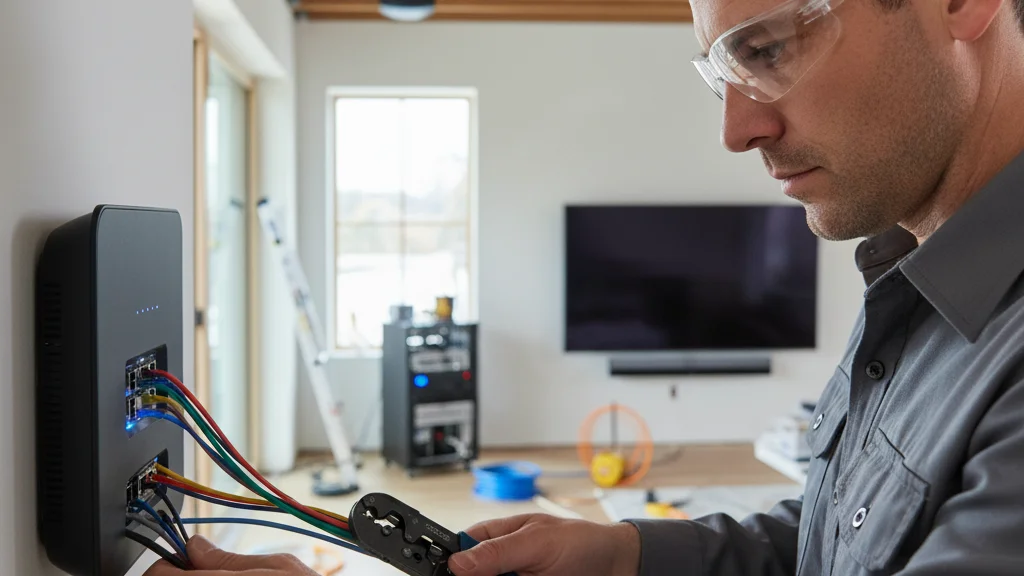
- Patch panels and a structured media center where all cabling terminates in a clean, organized format
- Network segmentation that separates IoT devices, cameras, guest access, and primary devices onto different VLANs
Proper network design also addresses cybersecurity. Smart home and security devices are networked endpoints, and placing them on isolated network segments limits exposure if any single device is compromised.
Outdoor Entertainment and Specialty Low Voltage Systems
Low voltage integration extends beyond the interior of the home. Outdoor living spaces in Phoenix benefit significantly from integrated technology:
- Outdoor audio systems with weatherproof speakers designed for Arizona's heat and UV exposure
- Landscape lighting control integrated with your automation system for programmed scenes and schedules
- Outdoor cameras and motion lighting that respond to detected movement
- Pool and spa automation that ties water temperature, filtration schedules, and lighting into your central control interface
These systems require the same careful cabling and planning as interior installations. Conduit routing, junction box placement, and weatherproofing are all part of the design process.
What to Look for in a Phoenix Low Voltage Integrator
Not every low voltage contractor approaches projects the same way. When evaluating integrators, consider the following:
System design first. A quality integrator asks detailed questions about how you use your space before recommending any equipment. One-size-fits-all proposals are a red flag.
Documentation and labeling. Every cable should be labeled at both ends, and you should receive a full as-built diagram of your installation. This protects your investment when you need service or future upgrades.
Manufacturer relationships and training. Integration products vary significantly in reliability and capability. Look for contractors who work with professional-grade platforms and have manufacturer certifications.
Post-installation support. Technology changes, and systems require updates. An integrator who offers ongoing support and monitoring is a long-term partner, not just a one-time contractor.
Experience with Phoenix-specific conditions. Arizona's extreme heat affects equipment in ways that are not a factor in other climates. Outdoor-rated equipment, proper enclosure ventilation, and UV-resistant cabling are all practical considerations that an experienced local integrator will account for by default.
Bringing It Together
Low voltage integration is most effective when it is planned as a complete system, not assembled piece by piece from different vendors over time. The infrastructure decisions made during construction or a major renovation determine what is possible for the life of the building. Structured cabling installed correctly in the walls today supports technology that does not exist yet.
For homeowners and business owners in the Phoenix area looking for a single point of contact for smart home automation, security, networking, and specialty low voltage systems, Amp AV provides design-first integration across all of these disciplines. Their team handles projects from initial design and cabling through equipment programming and ongoing support, so every system works together as intended from day one.
Reach out to Amp AV to discuss your project and get a clear picture of what a professionally integrated low voltage system can do for your property.